Hey there! I'm a supplier of special fabrics. You might think special fabrics are all sunshine and rainbows, but like anything else, they come with their fair share of drawbacks. In this blog, I'll break down some of the disadvantages of using special fabrics.
High Cost
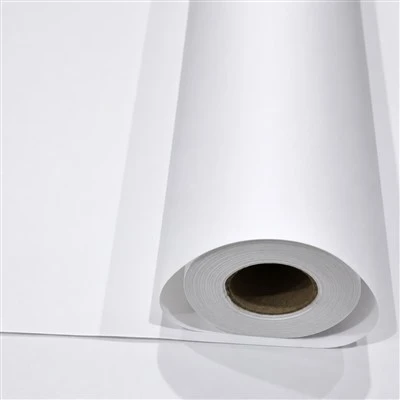
One of the most obvious downsides of special fabrics is the cost. Special fabrics often involve advanced manufacturing processes, rare materials, or unique treatments. Take the Eco Solvent Linen Canvas for example. It's made with a special eco - solvent technology, which requires specific equipment and chemicals. The production cost is higher, and this gets passed on to the consumer.
If you're on a tight budget, buying special fabrics can really put a dent in your wallet. For small businesses or individuals who are just starting out, the high cost can be a major deterrent. You might have to cut back on the quantity of fabric you purchase, which could limit your creative projects.
Limited Availability
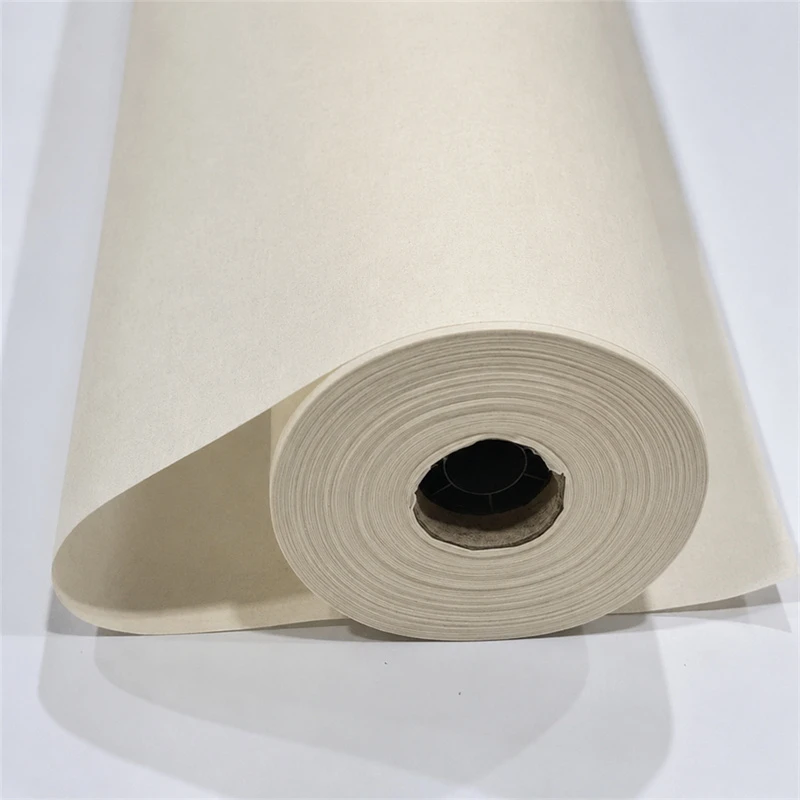
Another issue is the limited availability of special fabrics. Some special fabrics are produced in small quantities because they're either made from rare materials or require a lot of manual labor. The Sticky Canvas for Diamond Painting is a niche product. It's not as widely available as regular canvas.
This limited availability can cause problems if you need a large amount of fabric for a project. You might have to wait for the supplier to restock, which can delay your work. And if you're in a hurry, you might not be able to find an alternative that meets your requirements.
Difficult to Clean and Maintain
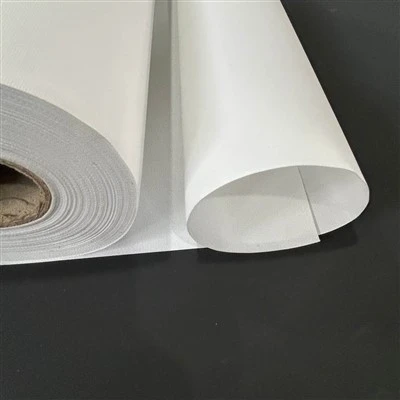
Special fabrics often come with special cleaning and maintenance instructions. The Eco Solvent Gloss Canvas White has a glossy finish that can be easily scratched or damaged. You can't just throw it in the washing machine like you would with a regular cotton fabric.
Cleaning these fabrics might require special cleaning agents or techniques. If you don't follow the instructions correctly, you could damage the fabric. And over time, improper cleaning can lead to a loss of the fabric's special properties, like its colorfastness or water - resistance.
Environmental Concerns
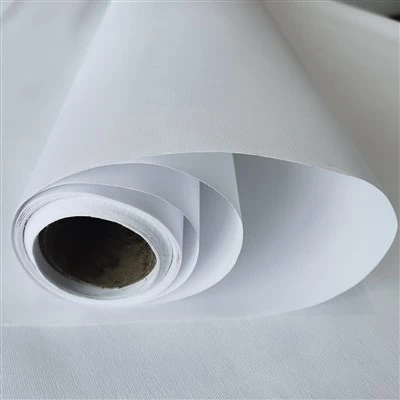
Despite the name, some so - called "eco - friendly" special fabrics still have environmental drawbacks. While the Eco Solvent Matte Canvas is advertised as eco - friendly, the production process might still involve the use of chemicals. These chemicals can have a negative impact on the environment if not disposed of properly.
Also, some special fabrics are not biodegradable. When they end up in landfills, they can take a long time to break down, contributing to environmental pollution.
Compatibility Issues
Special fabrics might not be compatible with all types of dyes, adhesives, or printing methods. The Solvent Satin Canvas might not work well with certain water - based inks. If you're planning to print on the fabric or use it in a project that involves bonding it with other materials, you need to make sure that everything is compatible.


Incompatibility can lead to poor results, such as the ink not adhering properly or the fabric peeling off from the bonded material. This can be frustrating, especially if you've already invested a lot of time and money in the project.
Sensitivity to Climate and Conditions
Special fabrics can be sensitive to different climate and environmental conditions. Some fabrics might shrink or expand in high humidity or extreme temperatures. For example, a fabric that's made to be water - resistant might lose its effectiveness in very cold weather.
This sensitivity can be a problem if you're using the fabric outdoors or in a place with fluctuating climate conditions. You need to take extra precautions to protect the fabric, which can add to the overall cost and complexity of using it.
Durability Concerns
Although special fabrics are often marketed as high - performance, some of them might not be as durable as expected. The special treatments or coatings on the fabric can wear off over time, especially with regular use.
For instance, a fabric with a water - repellent coating might start to absorb water after a few washes. This means that you'll have to replace the fabric more frequently, which can be costly in the long run.
Difficult to Work With
Working with special fabrics can be a challenge, especially for beginners. The fabric might be stiffer or more slippery than regular fabrics, making it difficult to cut and sew. You might need to use special tools or techniques to work with it properly.
If you're not experienced in handling special fabrics, you might end up making mistakes, which can ruin your project. And even for experienced seamstresses or designers, working with special fabrics can be time - consuming.
Aesthetic Changes Over Time
Some special fabrics can change their appearance over time. The color might fade, or the texture might become less smooth. This can be a problem if you're using the fabric for a project where the appearance is crucial, like a high - end fashion piece or a decorative item.
The fading or change in texture can make the fabric look old and worn out, even if it's not very old. This can reduce the overall value of the product made from the fabric.
Lack of Standardization
There's a lack of standardization in the special fabric industry. Different manufacturers might use different terms to describe the same fabric properties, which can be confusing for consumers.
For example, one manufacturer might claim that their fabric is "water - resistant," while another might use the same term to describe a fabric with a different level of water - resistance. This lack of standardization makes it difficult for consumers to compare different products and make informed decisions.
Despite these disadvantages, special fabrics still have their place in the market. They offer unique properties and can be used to create high - quality, one - of - a - kind products. If you're interested in purchasing special fabrics for your project, feel free to reach out. We can discuss your specific needs and see if our products are the right fit for you. Whether you're a small business owner, a DIY enthusiast, or a professional designer, we're here to help you make the most of your special fabric purchase.
References
- Textile Industry Reports
- Fabric Manufacturing Journals
- Consumer Reviews on Special Fabrics